


Understanding Legal Support in Sanctions Matters A Comprehensive Guide
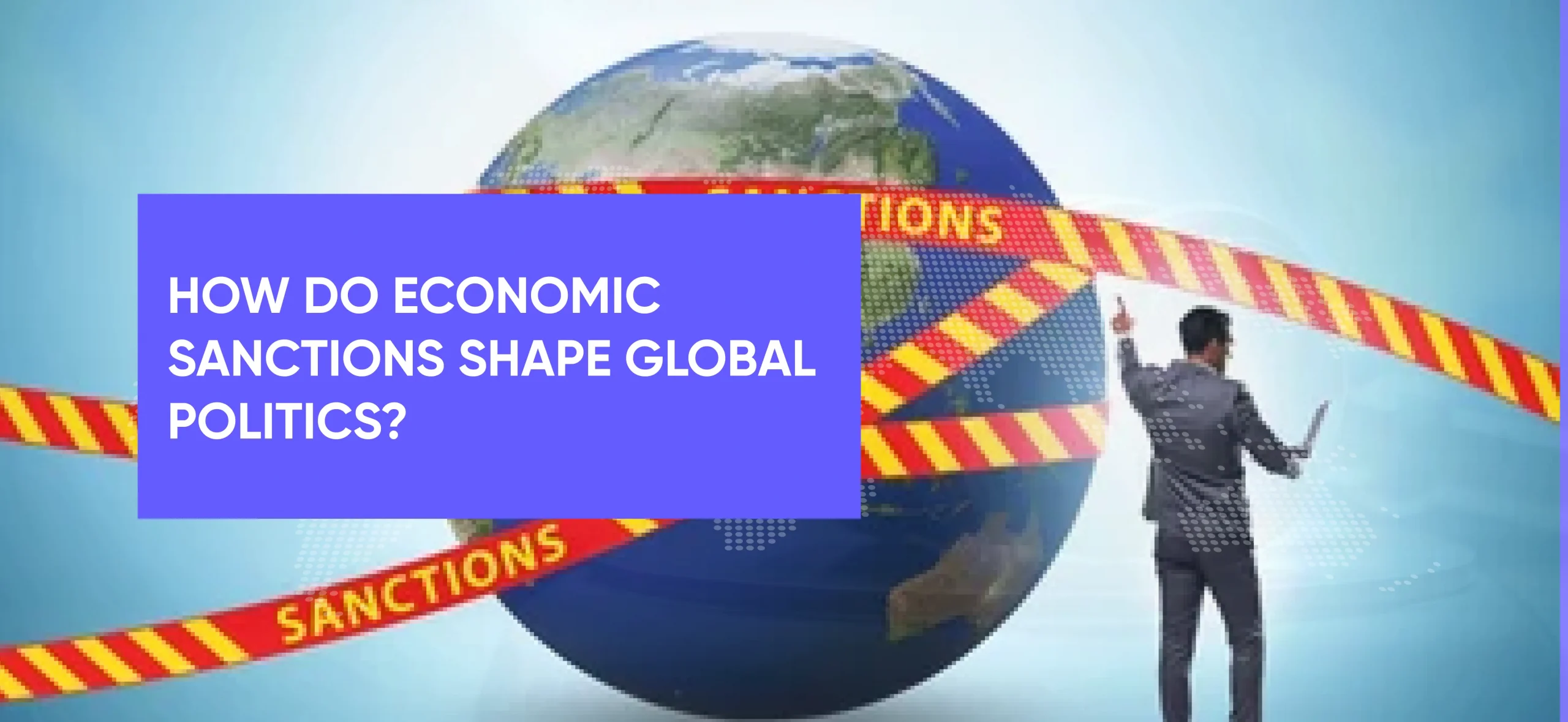
Understanding Legal Support in Sanctions Matters: A Comprehensive Guide
The world of international trade and business is increasingly complex, especially when it comes to navigating the intricate web of sanctions regulations. For companies operating across borders, understanding legal support in sanctions matters is essential to maintaining compliance and avoiding costly penalties.
What Are Sanctions?
Sanctions are restrictive measures imposed by governments or international organizations on specific countries or individuals. These measures can take various forms, including economic restrictions, trade barriers, and travel bans. The goal of sanctions is often to promote political or economic change by exerting pressure on the targeted entities.
The Importance of Legal Support
Navigating the landscape of international sanctions requires specialized legal expertise. Companies must ensure that they are compliant with all applicable laws and regulations, which can change frequently and vary widely between jurisdictions. Legal support is crucial for:

- Understanding the scope of sanctions that may apply to a business’s operations.
- Assessing potential risks associated with non-compliance.
- Developing and implementing effective compliance programs.
- Managing due diligence processes to avoid inadvertent violations.
- Providing guidance in the event of investigations or enforcement actions.
Types of Sanctions
Sanctions can be categorized into several types, each with distinct implications for businesses. Common types include:
1. Comprehensive Sanctions
These are broad restrictions that prohibit all trade and economic activities with a specific country or government, often in response to serious international concerns such as human rights abuses or acts of aggression.
2. Targeted Sanctions
Also known as smart sanctions, targeted sanctions focus on specific individuals, groups, or entities. These may involve asset freezes, travel bans, or restrictions on specific transactions.
3. Sectoral Sanctions
These sanctions restrict specific sectors of a country’s economy, such as finance, energy, or defense, while allowing other forms of trade and economic relations to continue.
Key Considerations for Businesses
Businesses must remain vigilant in their compliance efforts. Here are several key considerations:
1. Conducting Risk Assessments
Risk assessments help organizations identify and evaluate potential exposure to sanctions. This includes assessing the nature of their business operations, the regions they operate in, and the risk profiles of their partners and suppliers.
2. Staying Updated on Regulations
Sanctions regulations can change rapidly. It’s vital for businesses to stay informed about the latest developments. This may involve subscribing to legal updates, attending conferences, or working directly with legal advisors who specialize in sanctions law.

3. Implementing Effective Compliance Programs
A robust compliance program should include policies and procedures designed to prevent, detect, and respond to sanctions violations. Training employees, monitoring transactions, and conducting regular audits are key components of an effective compliance framework.
Engaging Legal Experts
Hiring legal professionals who specialize in sanctions matters can provide invaluable support. They can offer:
- Guidance on navigating the complexities of sanctions regulations.
- Assessment of contracts and commercial arrangements to identify potential risks.
- Assistance in developing compliance training tailored to specific business activities.
Conclusion
In an increasingly interconnected world, the importance of understanding legal support in sanctions matters cannot be overstated. Businesses must stay vigilant and proactive in their compliance strategies to safeguard their interests. By engaging legal expertise and implementing comprehensive compliance programs, companies can mitigate risks and navigate the complexities of sanctions regulations effectively.