


Understanding Crypto-Related Sanctions Issues in Iran
:max_bytes(150000):strip_icc()/GettyImages-1921756255-4ed31d4aa4fc4eebaf63ec9a6e1e2998.jpg)
Understanding Crypto-Related Sanctions Issues in Iran
The intersection of cryptocurrency and sanctions has emerged as a significant topic of discussion in recent years, particularly concerning countries like Iran. This article delves into the various crypto-related Iran sanctions issues, offering insights into the legal challenges, economic implications, and the global response to Iran’s growing inclination towards cryptocurrency. By understanding these dynamics, we can better grasp the potential future of digital currencies in sanctioned nations.
The Rise of Cryptocurrency in Iran
In recent years, cryptocurrency has gained traction in Iran, as citizens and businesses seek alternative means to conduct transactions and safeguard their assets. Owing to stringent sanctions imposed on the Iranian economy by Western nations, traditional banking channels have become increasingly restricted. This has driven many Iranians to explore digital currencies, which present a decentralized alternative to conventional financial systems.
Sanctions: An Overview
Sanctions imposed against Iran primarily aim to curtail its nuclear program and restrict its influence in the Middle East. Various international bodies, including the United States and the European Union, have enacted a series of economic sanctions that impact Iran’s ability to engage in international trade and secure foreign investment. These sanctions not only isolate Iran economically but also create a fertile ground for innovative financial solutions, such as cryptocurrencies.
Legal Challenges Surrounding Cryptocurrency in Iran
The legal landscape for cryptocurrency in Iran is quite complex. Despite the government’s skepticism regarding digital currencies, Iranian authorities have acknowledged the potential benefits of blockchain technology. However, the lack of clear regulations creates uncertainty for investors and businesses trying to operate in this space. Moreover, the use of cryptocurrencies to bypass sanctions raises significant legal questions both domestically and internationally.
Regulatory Framework
Iran has taken steps to regulate the cryptocurrency market, with the Central Bank of Iran (CBI) issuing licenses for cryptocurrency mining and exchanges. Yet, the regulatory framework remains ambiguous, leading to differing interpretations between various government bodies. This inconsistency complicates the legal standing of cryptocurrencies and can result in punitive measures against users and businesses that inadvertently violate sanctions.
Mining: An Economic Opportunity or Sanction Violation?
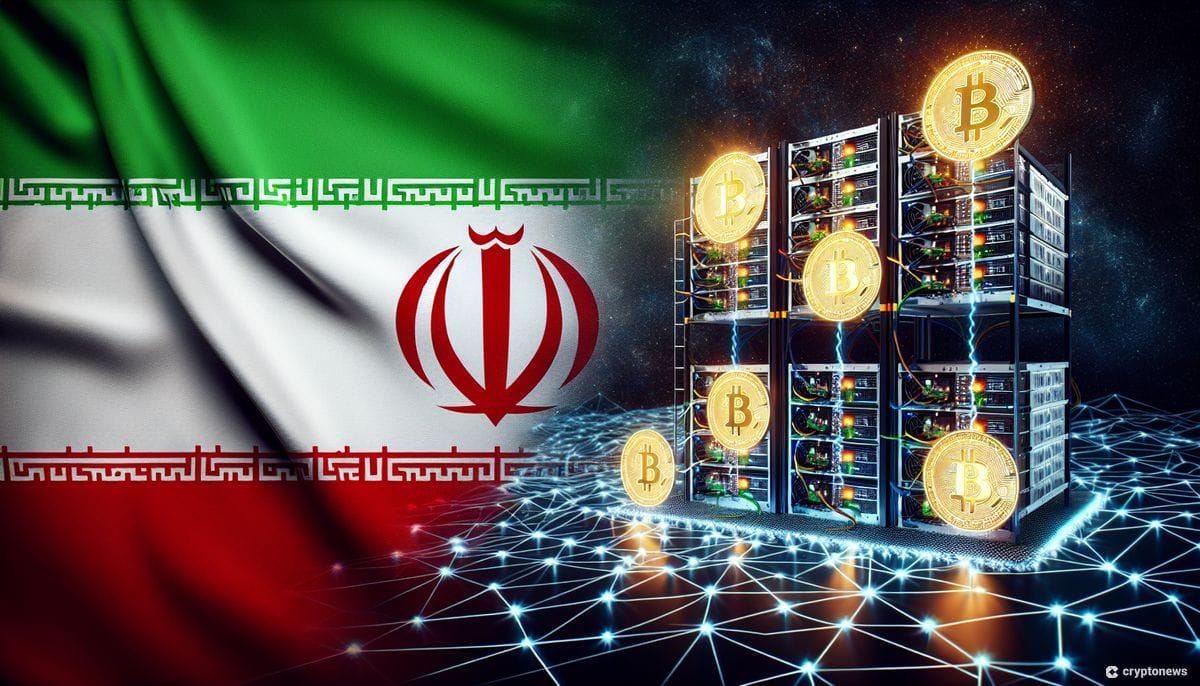
Cryptocurrency mining has emerged as a popular economic activity in Iran, leveraging the country’s inexpensive electricity. However, miners face the risk of being classified as sanction violators if their activities are connected to evading international trade barriers. Iranian miners must navigate a precarious balance between capitalizing on economic opportunities while adhering to complex legal guidelines.
Implications for Global Financial Systems
The rise of cryptocurrency in Iran has wider implications for global financial systems, particularly in how countries view digital currencies as tools for evading sanctions. As Iranians increasingly adopt cryptocurrencies, they may inadvertently contribute to a shift in the perception of digital currencies in geopolitics. This evolution could lead to more stringent monitoring of crypto transactions across borders, as governments seek to protect their financial systems from potential abuses.
Impact on the US Dollar’s Dominance
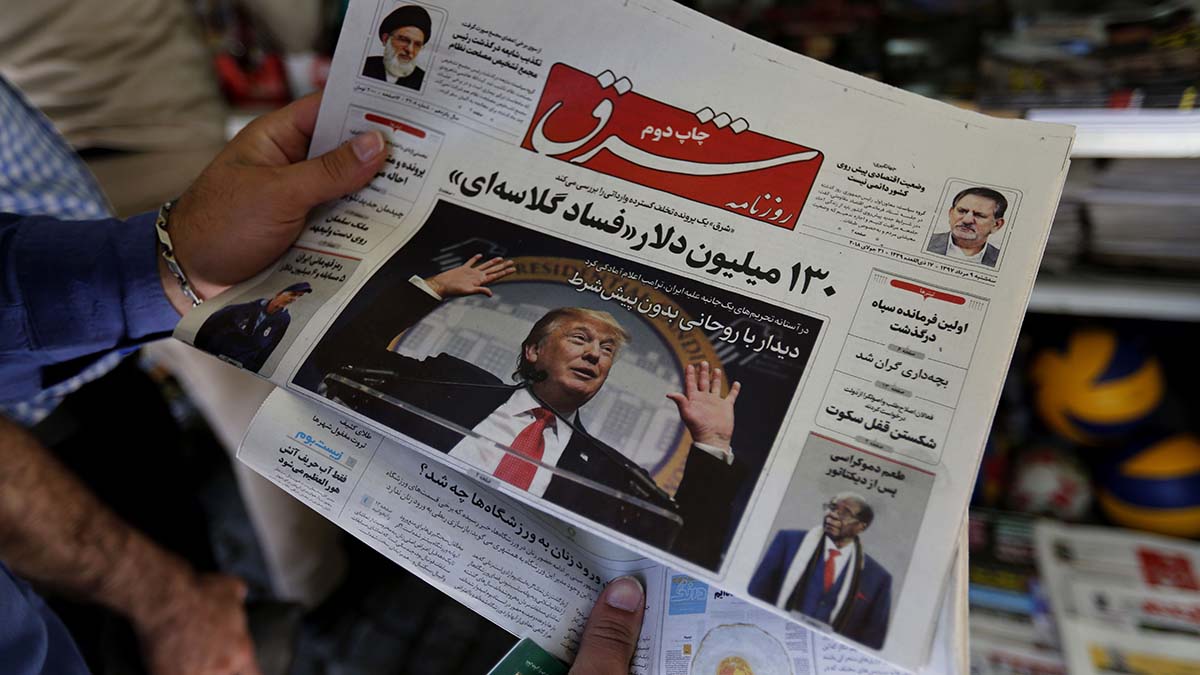
The growing interest in cryptocurrencies could challenge the dominance of the US dollar in global markets, prompting a re-evaluation of how countries engage in international trade. As nations explore non-traditional financial pathways, the potential for a ‘soft dollar’ economy to emerge increases, posing risks to traditional currency values and economic stability.
The Global Response
In response to the rise of cryptocurrencies in sanctioned nations like Iran, global regulators are intensifying their scrutiny of digital assets. International bodies are considering frameworks that specifically address the use of cryptocurrencies in circumvention of sanctions, pushing for compliance measures that would hold entities accountable for non-compliance.
Innovative Solutions for Compliance
To bridge the gap between innovation and compliance, industry stakeholders are advocating for technologies that enhance transparency and traceability in cryptocurrency transactions. Tools such as blockchain analytics and regulatory technologies can help authorities monitor digital currency movements, ensuring that cryptocurrencies are not being used to evade sanctions.
Conclusion
The situation surrounding crypto-related sanctions issues in Iran is fluid and complex. As the global community grapples with technological advancements and their implications for international law, the stakes are high for all involved. A collaborative approach, emphasizing regulatory clarity and innovation, is essential in navigating this evolving landscape. Understanding the legal challenges and economic opportunities presented by cryptocurrencies in sanctioned nations will be critical for policymakers, investors, and stakeholders worldwide.