


The Evolution of Gambling Exploring the World of Web3 Gaming

The Evolution of Gambling: Exploring the World of Web3 Gaming
As technology continues to advance, the gambling industry is witnessing a significant transformation with the advent of web3 gambling. Traditional gambling methods are slowly being replaced by decentralized platforms that offer players greater control over their gaming experiences. This article will delve into the elements that make Web3 gambling so enticing, the innovations it brings, and the challenges it faces in the current landscape.
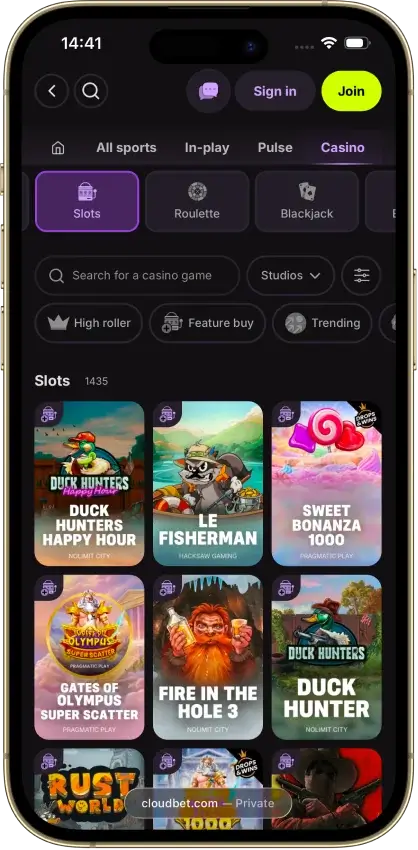
What is Web3 Gambling?
Web3, or Web 3.0, represents the next generation of the internet where users are granted more control over their data and identities through decentralized technologies. In the gambling sector, this translates to platforms that utilize blockchain technology, allowing for more transparent, secure, and fair gaming experiences. Web3 gambling encompasses a broad range of online betting options, from traditional casino games to innovative offerings like play-to-earn games and decentralized betting systems.
Traditional Vs. Web3 Gambling
In traditional gambling systems, players rely on centralized entities such as casinos and betting houses that manage the games, payouts, and player information. This results in several disadvantages, including potential fraud, lack of transparency, and issues related to user privacy. Moreover, players often have to navigate complicated regulations which can hinder their ability to enjoy seamless gaming experiences.
On the other hand, Web3 gambling platforms leverage smart contracts and blockchain technology, providing players with an immutable record of transactions and game results. This eliminates the risk of tampering and ensures fair play. Users have full ownership of their assets, whether it includes cryptocurrencies, tokens, or NFTs, and can trade them freely in secondary markets. This freedom is at the heart of the appeal of decentralized gambling.
The Advantages of Web3 Gambling
- Decentralization: With no central authority controlling the games, players can bet and play without worries about the security and fairness of the platform.
- Transparency: Every game outcome is recorded on the blockchain, and players can verify the fairness of each game.
- Ownership of Assets: Players have true ownership and can freely trade or sell their digital assets.
- Borderless Operations: Decentralized gambling platforms are accessible globally, allowing players to participate from anywhere in the world.
- Potential for higher payouts: Web3 platforms often have lower fees compared to traditional gambling operators, allowing for more significant payouts for players.
NFTs and Gambling
Non-Fungible Tokens (NFTs) have become a game-changer in the gambling world. They offer unique digital assets that represent ownership of items, which can include virtual collectibles or in-game items. In the Web3 gambling sphere, NFTs can serve several purposes:
- In-game items: Players can use NFTs as unique game pieces or tools that enhance their gaming experience.
- Rewards: Players can earn NFTs as rewards which may provide them with certain advantages in the game or act as status symbols within the gaming community.
- Collectible value: Rare NFTs can appreciate over time, adding a layer of investment potential for players.
Challenges Facing Web3 Gambling
Despite its many advantages, Web3 gambling is not without its challenges. One of the main obstacles is navigating the complex regulatory landscape acro

ss different jurisdictions. As governments worldwide begin to recognize and create laws surrounding blockchain and cryptocurrency, many decentralized operators face uncertainty regarding compliance.
Moreover, the user experience is also an ongoing challenge. Many Web3 platforms require a basic understanding of blockchain technology, wallets, and cryptocurrencies, which can be daunting for newcomers. Improving the overall user interface and making these platforms more accessible will be crucial for the widespread adoption of Web3 gambling.
The Future of Web3 Gambling
As the industry continues to evolve, the future of Web3 gambling looks promising. Innovations in blockchain technology, user interfaces, and regulatory clarity will likely pave the way for increased adoption. Players will become more accustomed to the mechanics of decentralized platforms, and traditional gambling operators may even look to integrate Web3 elements into their offerings.
In addition, partnerships between developers, gaming companies, and blockchain platforms will result in unique gaming experiences that challenge traditional notions of gambling. As Web3 continues to grow, the focus will remain on creating fair, transparent, and enjoyable experiences for players. Overall, the ultimate goal is to ensure that players not only have fun but also feel empowered and valued in this new digital economy.
Conclusion
The landscape of gambling is undergoing a revolutionary transformation with the introduction of Web3 technologies. By decentralizing gaming, providing transparent systems, and enabling true ownership of digital assets, Web3 gambling offers immense potential for players and operators alike. As we look toward the future, it’s vital to recognize the innovations and challenges that will shape this exciting new era of online gambling.